

Screening programs generate a lot of data. But one metric tells you more than almost any other about whether your program is actually working and whether you can prove it to the people who fund it.
That metric is Method of Detection (MOD): how each cancer in your program was found. And for most programs, it’s also the metric that’s hardest to surface quickly when someone asks for it.
The good news is that’s a solvable problem, and that’s where MagView comes in. When your data is structured and ready at the point of care, you’re not piecing together reports the week before an audit. You’re walking in prepared.
What Method of Detection Actually Measures
The American College of Radiology (ACR) defines the initial Method of Detection (MOD) as the first imaging test, sign, or symptom that triggers the diagnostic workup leading to a breast cancer diagnosis. This standardized framework is designed to help radiologists document when cancer was first identified, so programs can better understand the effectiveness of their screening efforts.
In practice, that means tracking how each cancer in your program was found: through a scheduled screening, after a patient noticed symptoms, in the window between scheduled screenings (called an interval cancer), or a rare incidental finding found during an unrelated exam.
That breakdown is the clearest picture you have of understanding how cancers that your facility detects are initially discovered
For breast imaging centers, this matters in a concrete way. If most of your cancers are being found because patients came in with a lump rather than because your screening caught something early, that’s a signal worth paying attention to. It’s an opportunity to look at who your program is reaching, how your recall process is performing, and whether there’s room to strengthen your screening outcomes.
BI-RADS 2025 Makes MOD Tracking an Expectation, Not Just a Best Practice
The 2025 edition of the ACR BI-RADS Manual strongly encourages breast imaging programs to track and report Method of Detection as a standard part of outcomes monitoring. This reflects a broader shift in how the field thinks about screening quality: it’s not enough to track what was found. Programs are expected to track how it was found. For centers that haven’t formalized MOD capture yet, the 2025 guidance is a clear signal that now is the time.
How MagView Connects the Data to the Decisions That Matter
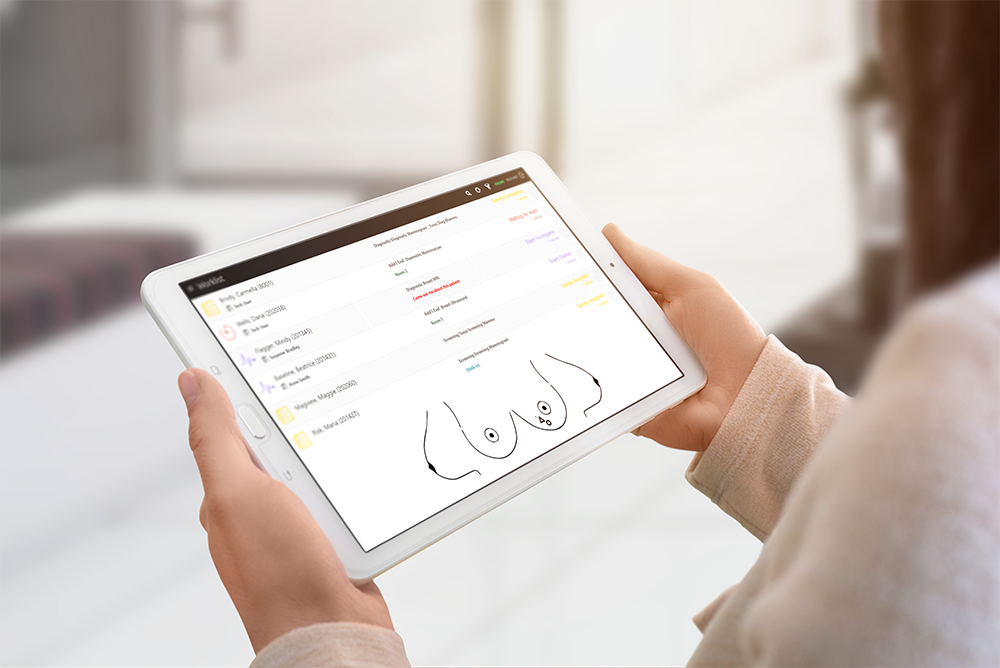
MagView captures Method of Detection at the point of care, so the data flows automatically into the places your organization actually needs it:
- Real-time executive dashboards that give leadership a clear, current view of your program’s performance
- On-demand reporting your director can present to leadership with confidence, without spending hours pulling the data together first
- Structured data capture makes reporting quick and easy
The Shift That Changes How You Show Up in the Room
The strongest programs we work with have stopped thinking of Method of Detection as something they report on as an option, but as best practice. They recognize the value in starting to collect this data now, so that they can start building a repository of MOD data, both for their own metrics and any future measures that accrediting or regulatory bodies may require.
Tracking Method of Detection is, first and foremost, a clinical best practice. But programs that collect it consistently find that it does double duty, giving leadership the evidence they need to make informed decisions about investment, staffing, and the long-term direction of the program.
Is MOD tracking enabled and configured correctly in your MagView system?
It’s one of the most important settings in your workflow, and it’s worth a quick check. Reach out to your MagView representative to request a review of your current MOD setup. We’ll confirm that everything is captured correctly, flag any gaps, and ensure your program is positioned to report with confidence when it counts.
Request your MOD setup review today by emailing your MagView Account Manager or [email protected].




























![shutterstock_1299510538-[Converted]](https://magview.com/wp-content/uploads/2023/05/shutterstock_1299510538-Converted.jpg "monitoring breast density")