

Breast cancer risk assessment has become a crucial tool in modern breast screening programs, and the demand for it is steadily rising. While the increased awareness is a positive shift, it has significantly increased demand on health systems to provide personalized strategies driven by validated breast cancer risk models.
The Tyrer-Cuzick Calculator is one of the most popular tools in assessing lifetime breast cancer risk, and when it’s used with proper clinician oversight through streamlined workflows, it can have powerful results.
Why Breast Cancer Risk Stratification Is Becoming Standard of Care
The shift toward risk-based screening is transforming the landscape of breast healthcare across the globe. When providers achieve the ability to identify women with elevated lifetime breast cancer risk, they are able to recommend an enhanced breast screening pathway that includes interventions like earlier, more frequent screenings or MRI.
The National Comprehensive Cancer Network and the American College of Radiology both advocate for earlier screening for high-risk patients, making risk assessment crucial for improved outcomes. These recommendations, coupled with public demand, make it imperative for health systems to find ways to smoothly incorporate breast cancer risk assessment on a large scale into workflows.
Understanding the Tyrer Cuzick Breast Cancer Risk Model
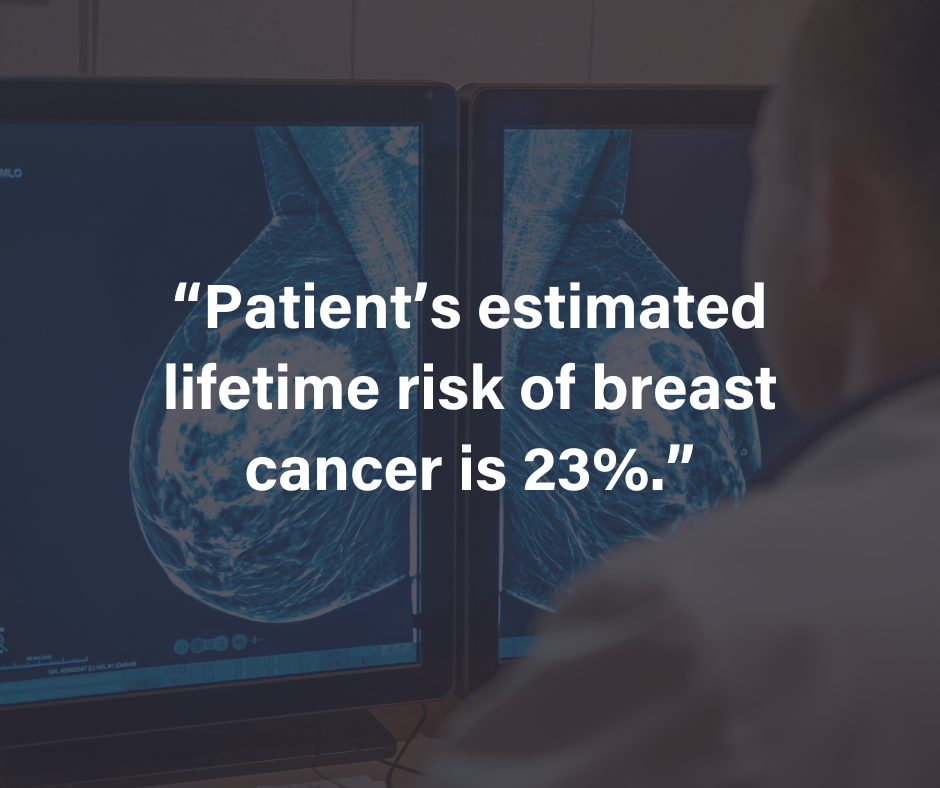
The Tyrer-Cuzick breast cancer risk assessment calculator, or IBIS tool, is a popular breast cancer risk assessment model that estimates the likelihood of a woman developing breast cancer in 10 years and in her lifetime. According to the American College of Radiology (ACR), Tyrer-Cuzick is considered “the most comprehensive” and “the most consistently accurate” model for predicting breast cancer risk.
The Tyrer-Cuzick Calculator takes into account the following factors:
- Family history and breast cancer risk
- Genetics
- Hormonal factors
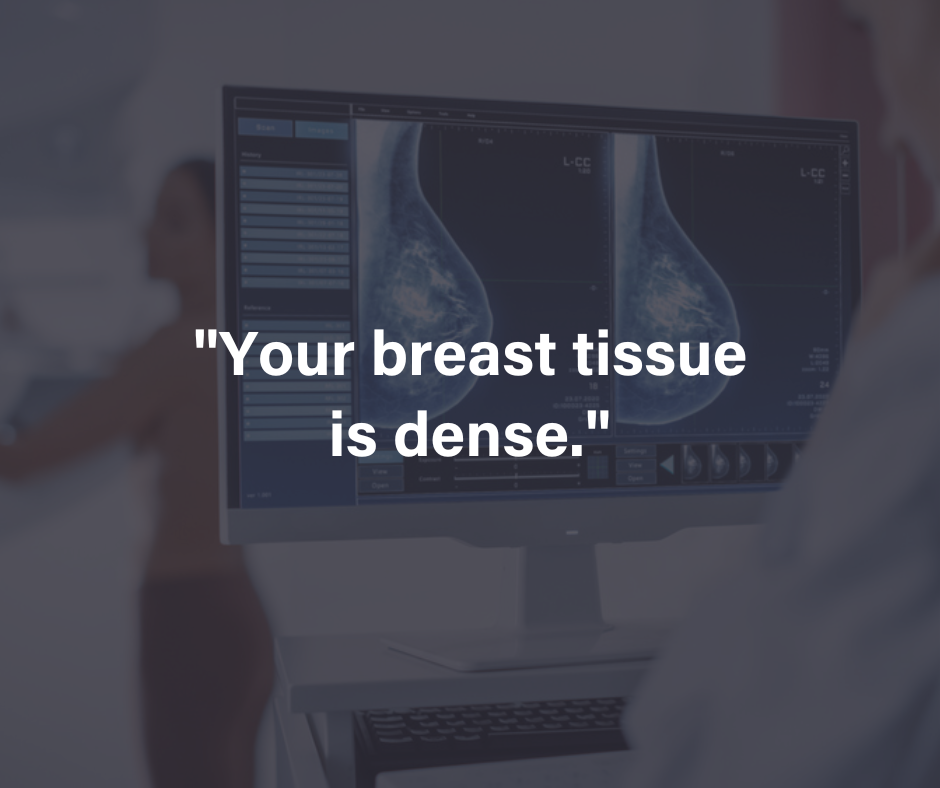
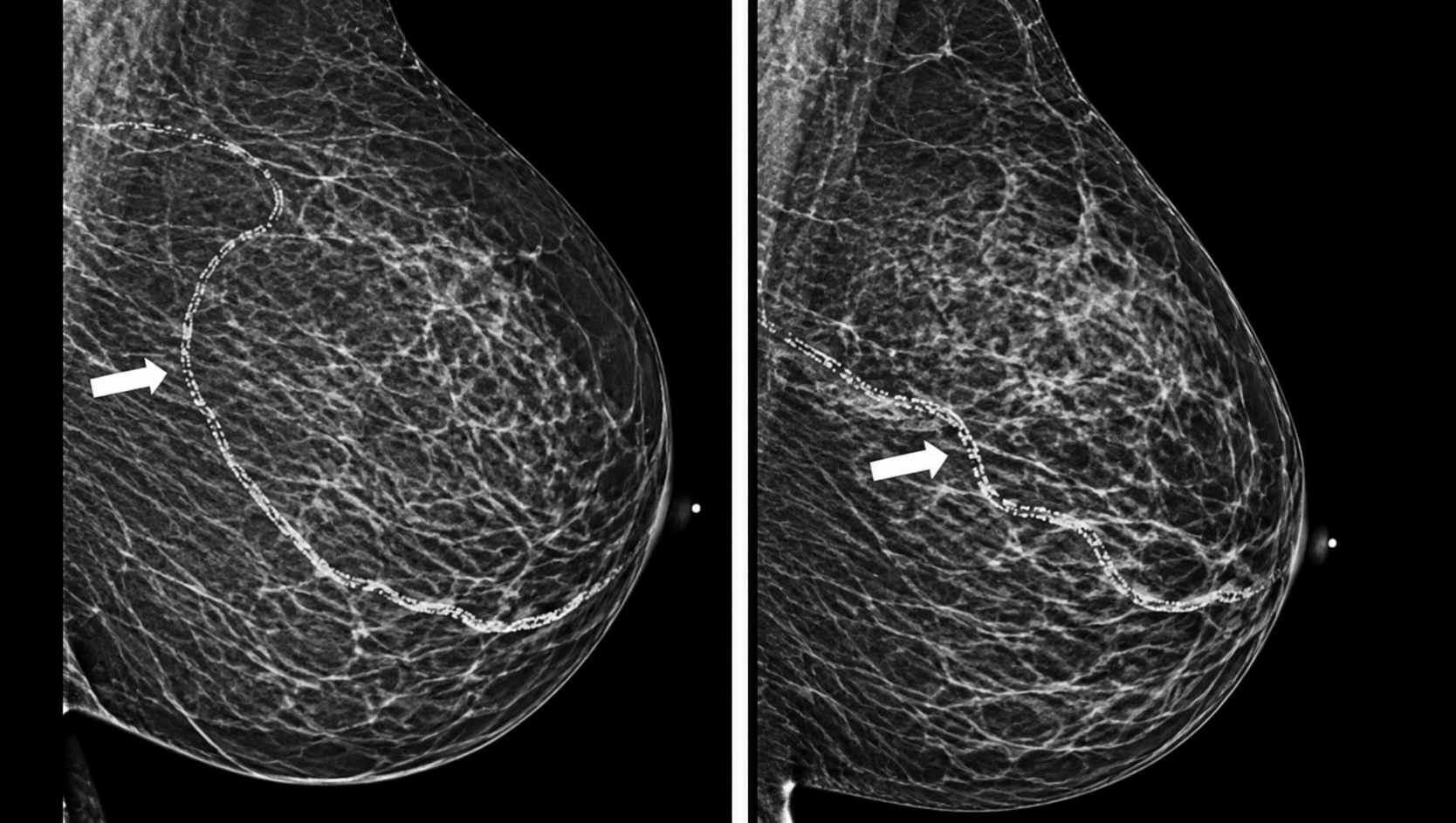
- Breast density
- Age and reproductive history
The Tyrer-Cuzick model is one of several validated risk assessment models used in screening programs, with other models used to better represent varying demographics.
The Olivia Munn Story: Why Accurate Risk Assessment Matters
Actress Olivia Munn’s story is a powerful, real-world example of the importance of structured breast cancer risk assessment. Despite the fact that both her mammogram and ultrasound results were normal, Olivia used a breast cancer risk calculator that showed an “alarmingly” high score. This screening led to the discovery of cancerous lesions in both of her breasts.
Without these assessment tools, those lesions would likely not have been discovered until much later in her life. Consistent, structured risk modeling as part of a healthcare system’s standardized workflows can help reduce the number of missed cases significantly, saving a staggering number of lives.
Challenges with Standalone or Patient-Facing Calculators
While we do believe that patient-facing Tyrer-Cuzick calculators serve an important role in educating patients and the general public, they do come with limitations, making clinical breast cancer risk assessment calculators a far more powerful, effective tool in early detection.
Integrating Risk Models Into Breast Imaging Workflow
By integrating risk assessment directly into healthcare system imaging workflows, breast health sites are able to improve their patient outcomes without overburdening their staff with new, manual data gathering and input tasks. Other benefits of clinical integration include:
- Structured data capture
- Patient history that carries forward year to year
- Consistent risk model application
- Risk documentation in patient records
- Automated identification of high-risk patients
- High-risk patient worklists
- Support for screening recommendations and referrals
How MagView Supports Accurate Tyrer-Cuzick Risk Assessment
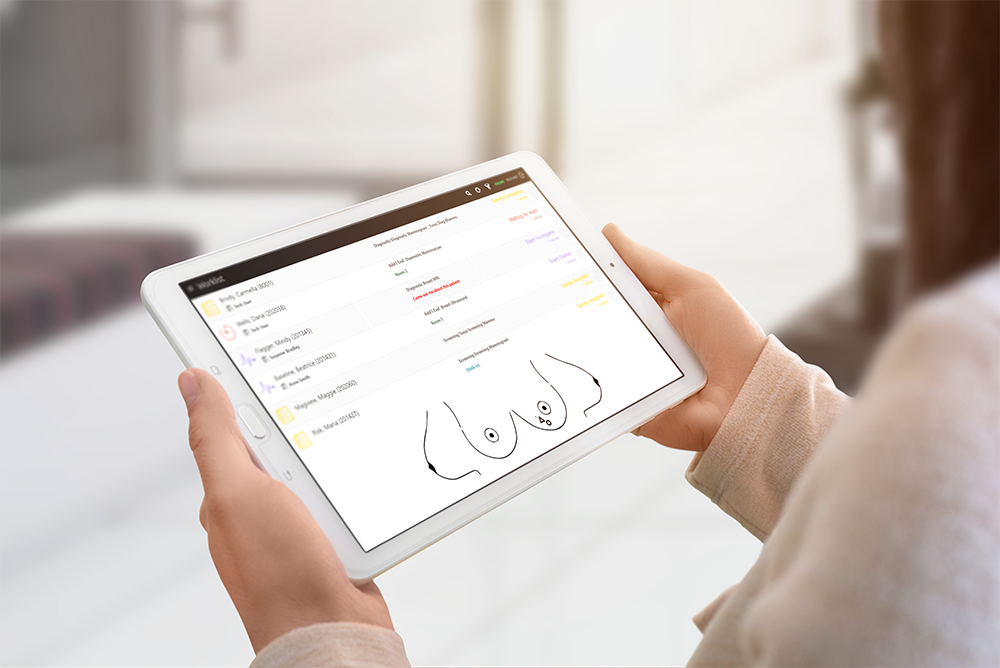
MagView is a clinician-first platform, designed to support clinicians as they assess their patients for breast cancer risk, help them make decisions about screening and care, and track their patients.. MagView integrates a spectrum of clinically-validated risk models with the Tyrer-Cuzick model, and uses a structured format for accurate and thorough data capture.
MagView’s easy-to-use platform makes patient history collection and staff management simple and automated. The Tyrer-Cuzick score can be integrated into the reporting workflow and communicated to referring physicians for actionable follow-up.
Operationalizing Risk-Based Screening Across Health Systems
The benefits of breast cancer risk assessment tools are becoming more apparent every day, and the demand is mirroring that. For large breast health programs, this can mean having to increase services across thousands of patients. By scaling risk assessment structures to match the demand, these programs will be able to improve their patient outcomes without adding extra tasks to staff workload.
Other benefits include:
- Population health management
- High-risk cohort tracking
- Consistency in follow-up imaging recommendations
- Documentation and compliance support
By building breast cancer risk assessment tools into operational workflows, rather than simply using a calculator on its own, programs can improve their diagnosis and screening accuracy without interrupting daily operations and hindering staff.
While the Tyrer-Cuzick model plays an increasingly-essential role in identifying high-risk patients and supporting guideline-driven screening strategies, its usefulness on its own has limitations. Accurate risk stratification on a large scale requires clinician oversight, a structured method of data capture, and seamless integration into a breast imaging site’s workflows. MagView provides the tools needed to support that necessary consistency without interrupting operations or increasing staff burden.
FAQ
What Tyrer-Cuzick lifetime risk qualifies a patient for enhanced screening?
High-risk patients qualify for enhanced screening pathways.
Some facilities may have different guidelines, so you should check with your center, but generally:
- Less than 15% is considered average risk
- Between 15-19% is considered intermediate risk
- 20% or greater is considered high risk
Which patients should receive Tyrer-Cuzick risk assessment?
Women who:
- Are age 25 or older
- Have dense breast tissue
- Have family history of breast or ovarian cancer
- Any woman can have their risk assessed using TC, but it’s especially helpful for women with dense breasts, women with a family history of breast or ovarian cancer, and women of Ashkenazi Jewish descent.
How should breast cancer risk scores be documented?
A patients risk score should be documented in their breast cancer risk assessment and patient tracking software and in the EMR. That score should also be shared with the OBGYN/Primary care, which can happen in a number of ways.
How can breast imaging programs operationalize risk-based screening?
By integrating software systems and solutions designed to facilitate data capture, risk assessment, compliance, and patient communication into their operations workflows.

Request a Demo Today























![shutterstock_1299510538-[Converted]](https://magview.com/wp-content/uploads/2023/05/shutterstock_1299510538-Converted.jpg "monitoring breast density")