
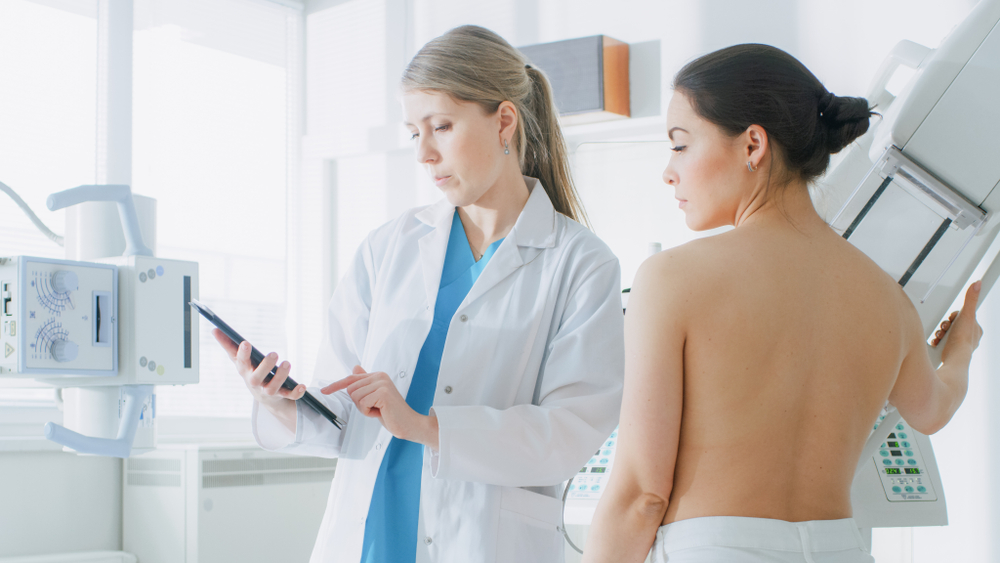
In April of 2026, the National Comprehensive Cancer Network® (NCCN®) updated its 2026 NCCN Clinical Practice Guidelines in Oncology for Breast Cancer Screening and Diagnosis. The updates to these guidelines represent a dramatic shift in the goals of breast cancer screening, as breast cancer incidence continues to increase among women under 50 years of age.
Key Highlights:
- The 2026 NCCN Guidelines now recognize AI image-based risk assessment as a recommended clinical tool for identifying future breast cancer risk.
- Breast cancer screening recommendations now encourage women to begin mammograms at age 35 for earlier risk identification.
- AI mammography technology can predict a woman’s five-year breast cancer risk using imaging biomarkers invisible to the human eye.
- Clairity, Inc. is currently the first and only FDA-authorized AI mammogram-based risk assessment platform available for clinical use.
- AI-based risk assessment may help identify women who are at elevated risk despite having no significant family history or traditional risk factors.
- Personalized breast cancer screening strategies aim to improve early intervention, prevention, and long-term outcomes.
- The NCCN now recommends ongoing breast cancer risk reassessment throughout a woman’s lifetime as risk factors evolve over time.
What is AI Mammogram-Based Risk Assessment?
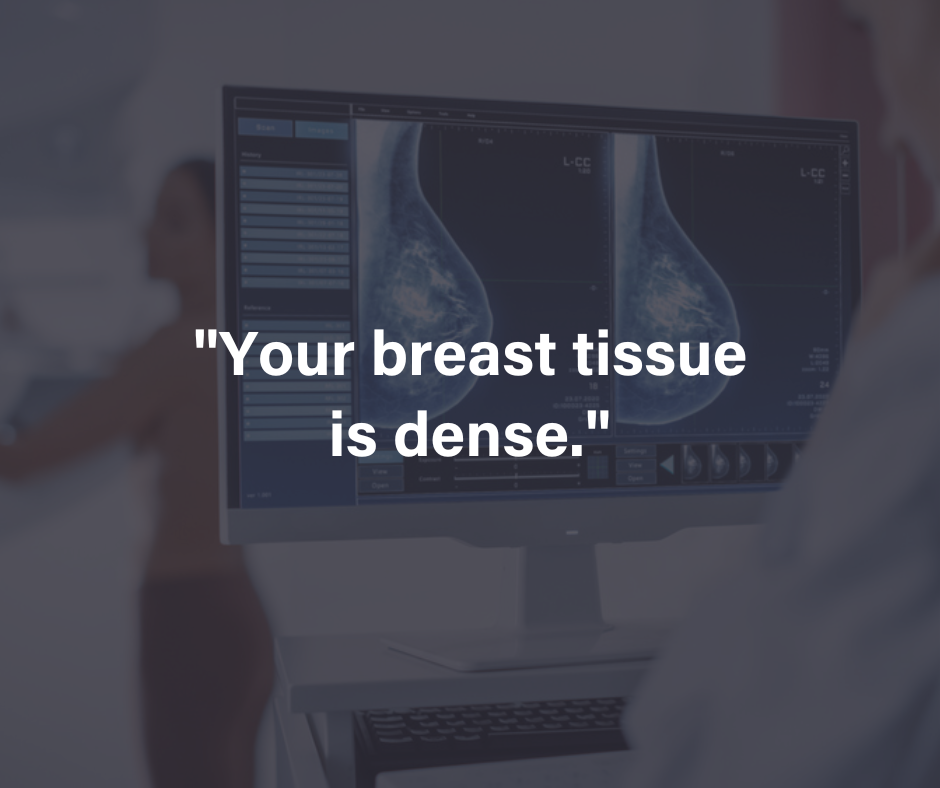
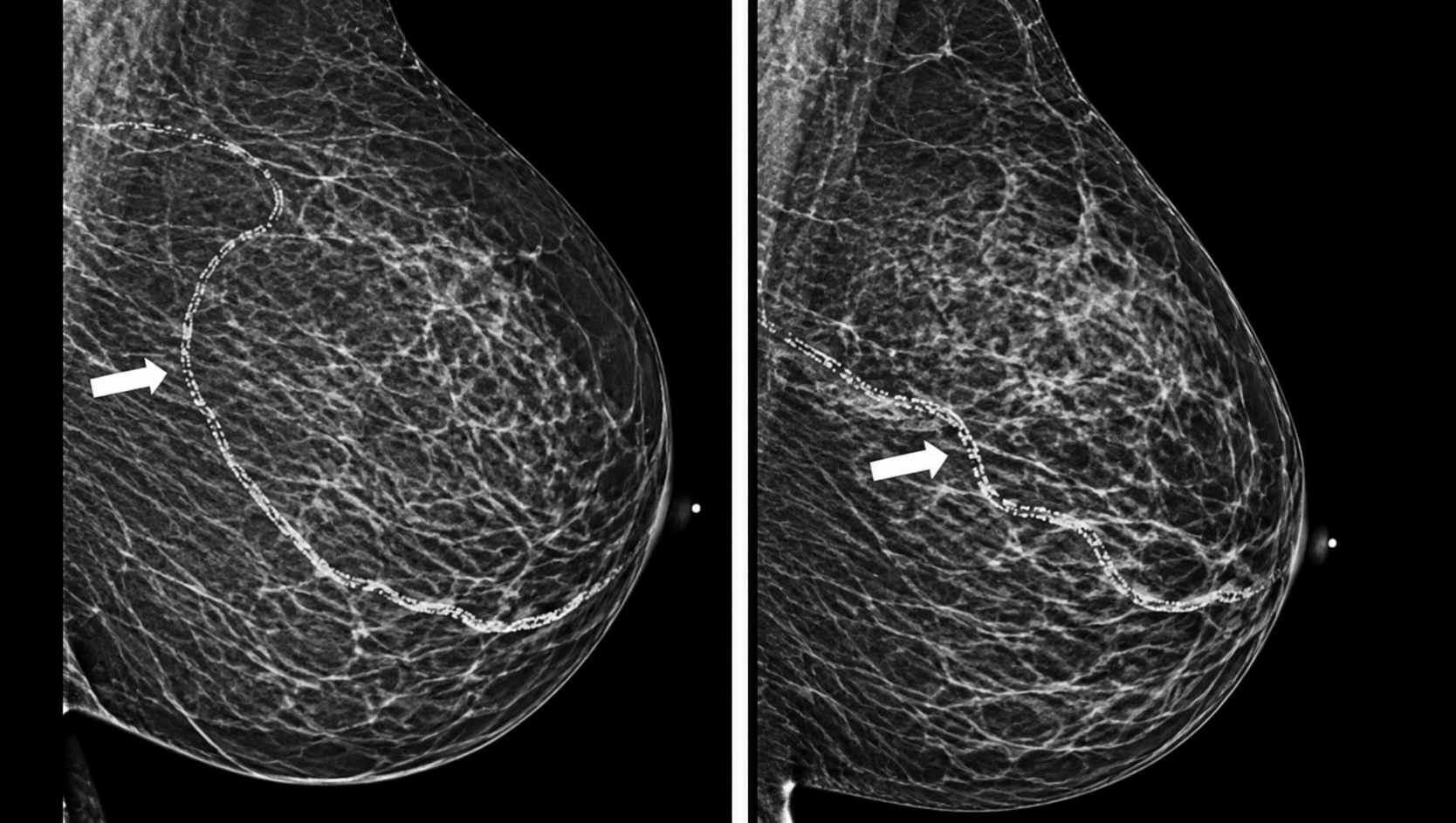
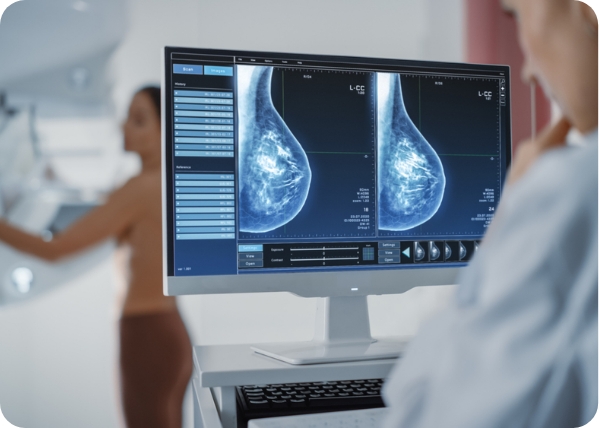
AI mammogram-based risk assessment represents an emerging advancement in risk stratification and preventive screening, using hundreds of thousands of real mammograms. Clairity Breast is the first FDA-approved AI image-based risk model for mammography, and is currently the only model available for commercial use. Clairity Breast uses AI technology to analyze a massive database of mammograms in order to find patterns and factors that are undetectable to the human eye. This can help predict a woman’s risk of developing breast cancer in the next five years.
How the NCCN Updated Breast Cancer Screening Guidelines in 2026
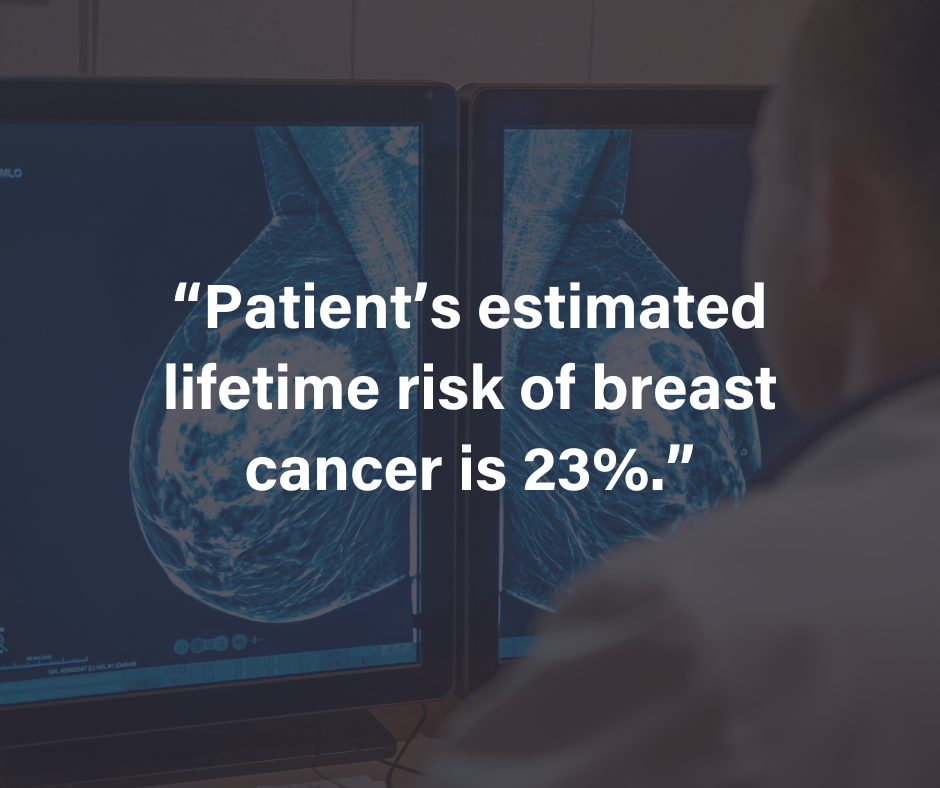
In April, Clairity Breast announced that the NCCN has included AI image-based risk assessment for mammography into its 2026 guidelines as a valid and recommended option, and one that would guide clinical action. The relative predictive accuracy of AI mammography is proving to be far more effective than traditional screening methods alone like family history, genetics, and even traditional mammography. By incorporating this new approach into breast cancer screening guidelines, providers will have a better chance at identifying women with increased risk whose other methods of screening indicate that their risk is lower. A ≥1.7% 5-year risk threshold is now considered “increased risk,” and should be used to initiate clinical interventions and action.
In addition to the inclusion of AI image-based risk, the NCCN guidelines have also included a monumental change in breast cancer screening age, recommending initiation of screening mammography at age 35, rather than the previously indicated age of 40.
Advancing Individualized Breast Cancer Risk Assessment
Traditional methods of breast cancer screening have made great strides over the past few decades. In fact, according to the American Cancer Society, “Breast cancer death rates have been decreasing steadily since 1989, for an overall decline of 44% through 2022. The decrease in death rates is believed to be the result of finding breast cancer earlier through screening and increased awareness, as well as better treatments.”
Despite these overwhelmingly positive statistics, there still remains that fact that many patients who develop breast cancer without having any of the typical factors that indicate increased risk. AI image-based risk may help address limitations in traditional assessment models by providing an individualized method of screening, rather than relying on a broad set of recommendations for a diverse population.
Connie Lehman, MD, PhD, and Founder and CEO of Clairity, Inc. said in a recent press release,
“For decades, we’ve known that the mammogram contains critical information—not just about the presence of cancer, but about a woman’s future risk. Advances in AI now allow us to extract that information in a clinically meaningful way. This is the foundation on which we developed Clairity Breast—the FDA-authorized, imaging-based AI model that provides five-year risk assessment at the point of care—helping make more precise, individualized risk-based care accessible to far more women.”
Personalized breast cancer screening also works to solve the problem of minorities and demographics who are underrepresented in many breast cancer risk assessment models. AI-based risk models may improve risk assessment performance across historically underrepresented patient populations.
Transitioning from Detection to Predictive Risk Modeling
Researchers are confident in the accuracy and importance of AI mammography, and indicate that its success will dramatically shift priority from breast cancer detection to breast cancer prediction. With the focus on predicting and preventing breast cancer in women, detection can occur far earlier, and may even be irrelevant in some cases where earlier intervention strategies are aimed at reducing breast cancer morbidity.
Dr. Lehman said in a recent article, “We’re not telling patients they have cancer. We’re saying, ‘You’re in a different category of women, and we want you to be screened earlier and more frequently.’”
Risk Reassessment
A final, crucial change in the NCCN guidelines concerns the frequency of breast cancer risk assessment. The NCCN now specifies that a woman’s breast cancer risk score is not static and unchanging; as women age and experience life, their risk for breast cancer evolves and changes as the years go by. Because of this, the NCCN calls for ongoing reassessment throughout a woman’s life.
The Future of AI in Breast Cancer Prevention
Though AI image-based risk is not currently available with every mammogram performed across the country, the researchers behind Clairity Breast and the AI mammography movement are determined to improve and expand accessibility, with the goal of broader clinical adoption across breast imaging programs.
In a press release, Clairty Breast quotes Dr. Judy Garber, the Breast Cancer Research Foundation Scientific Director, saying
“It’s encouraging to see advances in breast cancer risk assessment beginning to reach clinical care, including AI-based approaches that may help identify higher-risk women earlier—particularly those under 50 who might otherwise go unflagged. While continued research and real-world evaluation are essential, these tools represent a meaningful step toward more personalized screening and prevention.”
MagView is proud to partner with Clairity Breast on this mission to make AI image-based risk in mammography accessible to every woman and will continue to be on the forefront of implementation of AI-driven breast cancer risk assessment technology.
Learn About MagView + Clairity Breast
Frequently Asked Questions About AI Mammography
What is AI mammography?
AI mammography uses AI technology to analyze a massive database of real mammograms in order to find cancer-indicating patterns and factors that are undetectable to the human eye.
How does AI predict breast cancer risk?
Because AI risk programs like Clairity Breast have access to hundreds of thousands of real mammograms, they can compare that data to an individual mammogram to identify cancer risk-related factors.
What changed in the 2026 NCCN breast cancer screening guidelines?
- The 2026 NCCN Guidelines now recognize AI mammogram-based risk assessment as a recommended clinical tool for identifying future breast cancer risk.
- Breast cancer screening recommendations now encourage women to begin mammograms at age 35 rather than age 40.
- The NCCN now recommends ongoing breast cancer risk reassessment throughout a woman’s lifetime as risk factors evolve over time.
What is considered high risk for breast cancer under the new NCCN guidelines?
A ≥1.7% 5-year risk threshold is now considered “increased risk,”
How do the 2026 NCCN Guidelines impact breast imaging workflows?
Incidence of breast cancer in women younger than 50 years of age has been increasing at an alarming rate. This earlier screening age improves chances of prediction and early detection for better patient outcomes.
How can AI mammography improve risk stratification beyond traditional clinical factors?
Yes. Because AI mammography is a highly personalized form of breast cancer screening that compares real mammograms with an individual mammogram, it can predict breast cancer risk without any previous family history.
Learn About MagView + Clairity Breast
Resources:

















![shutterstock_1299510538-[Converted]](https://magview.com/wp-content/uploads/2023/05/shutterstock_1299510538-Converted.jpg "monitoring breast density")